
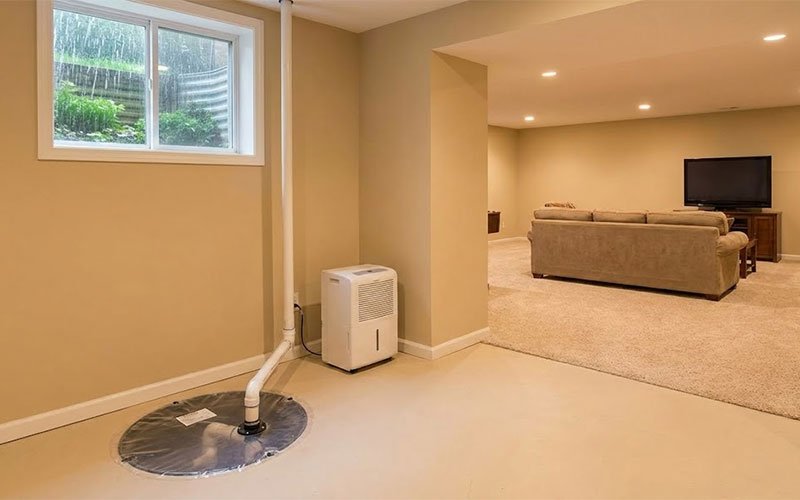
Here in Will County, we know the cycle well. We endure the freezing winter, and just as we start celebrating the thaw, the heavy spring rains arrive. “April showers” in Plainfield often mean torrential downpours that saturate the ground and raise the water table dramatically.
For homeowners with basements, there is one small, often noisy appliance standing between a dry living space and an expensive disaster: The Sump Pump.
At Norman Home Inspections, the sump pump system is one of the most critical components we evaluate. If it fails, nothing else in the basement matters. Here is why this unsung hero deserves your attention right now.
What Does It Actually Do?
Think of your basement like a boat sitting in water. The groundwater wants to get in through the path of least resistance (cracks in the floor or walls). A drain tile system around your foundation collects this water and funnels it into a “sump pit” in your floor.
Your pump sits in that pit waiting. When the water gets high enough to lift a float switch, the pump kicks on and pushes the water out of your house through a discharge pipe. It is the heart of your home’s drainage system, pumping fluid away to keep the basement “alive.”
The High Cost of Failure
Sump pumps are mechanical devices with a limited lifespan—typically 7 to 10 years. They don’t usually give you two weeks’ notice before they quit; they fail in the middle of the biggest thunderstorm of the year.
A failed pump means water rising out of the pit and spreading across your basement floor. In a finished basement, this means ruined carpet, soaked drywall, damaged furniture, and the immediate threat of mold growth. The average insurance claim for water backup is over $10,000, and many standard policies don’t even cover it without a specific rider.
What We Check During an Inspection
We don’t just look in the pit and nod. We perform a functional test of the system:
- The Trigger Test: We add water to the pit to ensure the float switch activates automatically and that the pump actually moves water.
- The Check Valve: We look for a small valve on the pipe just above the pump. This critical device stops water from flowing back down into the pit once the pump turns off. If it’s missing, your pump works double-time and burns out faster.
- The Discharge Line: We check where the water is going outside. Is it dumping right next to the foundation (just to cycle back in)? Is the pipe cracked from winter freezing?
The Vital Importance of a Backup
In Plainfield, the storms that bring heavy rain often bring lightning and high winds that knock out the power. If your electricity goes out, your primary sump pump is useless.
We strongly recommend every home in our area have a **Battery Backup Sump Pump System**. This is a second, separate pump that runs off a marine battery. It kicks in if the power dies or if the primary pump is overwhelmed by the volume of water. It is the cheapest insurance policy you will ever buy.
Your 5-Minute Spring Check-Up
Don’t wait for a storm to find out if your pump works. This weekend, take a 5-gallon bucket of water and slowly pour it into your sump pit. Watch the float rise. Make sure the pump turns on, empties the pit quickly, and shuts off automatically.
If it doesn’t, call a plumber immediately. If you are buying a home, make sure you call us to test it for you.
Worried about a wet basement?
Let Norman Home Inspections ensure your sump system is ready for rain.
📞 (815) 782-0544
🌐 www.normaninspections.com
📍 Serving Plainfield, Joliet, Naperville, and surrounding areas.