
Most homeowners in Will County treat their attic as “out of sight, out of mind.” If the roof isn’t leaking, they assume everything up there is fine.
However, your attic is actually a complex ecosystem. It needs a constant flow of fresh air to stay healthy. If that airflow is blocked or balanced incorrectly, it can destroy your shingles, rot your roof deck, and drive up your energy bills.
At Norman Home Inspections, we often find that attic ventilation is one of the most misunderstood systems in a home. Here is why getting it right matters for both the scorching Illinois summers and our freezing winters.
How It’s Supposed to Work
Proper ventilation relies on a simple physics principle: Hot air rises.
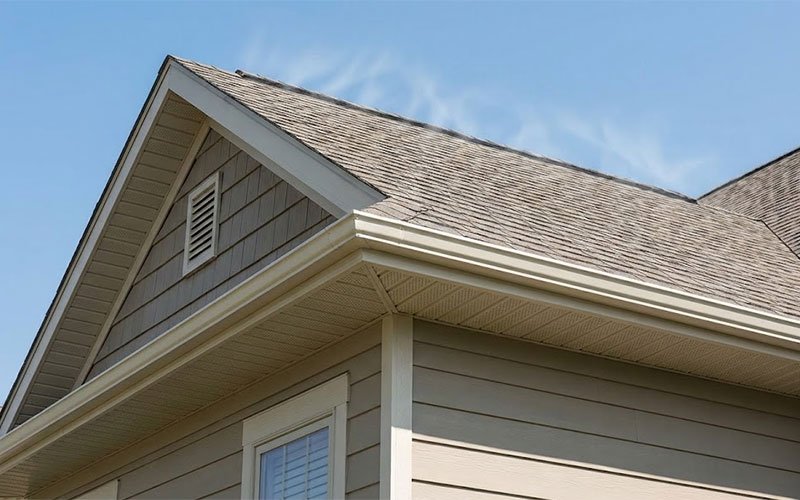
In a balanced system, cool fresh air enters your attic through the Soffit Vents (located under your eaves). As the air in the attic warms up, it rises and exits through the Ridge Vents or Box Vents near the peak of the roof. This creates a continuous wash of air along the underside of the roof deck.
The Summer Job: Beating the Heat
In July, when it is 90°F in Plainfield, your enclosed attic can easily reach temperatures of 150°F or higher.
Without proper airflow, that super-heated air does two things:
- It cooks your shingles: Asphalt shingles are designed to handle sun from above, but extreme heat baking them from below can shorten their lifespan significantly.
- It fights your AC: That massive heat load radiates down through the insulation and into your upstairs bedrooms, forcing your air conditioner to work overtime.
The Winter Job: Fighting Moisture
This is the part most people get wrong. You might think, “It’s winter, I want my house warm, so I should seal up the attic, right?”
Wrong. You want your living space warm, but you want your attic cold.
In winter, we generate moisture inside our homes (showering, cooking, breathing). Some of this warm, moist air inevitably leaks into the attic. If the attic is cold and well-ventilated, that moisture is swept away outside.
But if the ventilation is poor, that moist air hits the freezing cold roof decking and condenses into water (or frost). Over time, this wetness leads to:
- Mold growth on the wood sheathing.
- Rusted nails and fasteners.
- Compressed, wet insulation (which loses its R-value).
Common Mistakes We See
1. The “Blocked Soffit”
This is the #1 offender. A well-meaning homeowner or contractor adds new insulation to the attic but stuffs it right over the soffit vents, choking off the air intake. We check for “baffles” (plastic chutes) that ensure a clear channel for air to enter.
2. The Bathroom Fan Vent
We frequently find bathroom exhaust fans that vent directly into the attic instead of outside. This pumps gallons of moisture right into a cold space—a guaranteed recipe for mold.
3. Mixing Vent Types
More is not always better. If you have a ridge vent and a powered attic fan, they can actually fight each other, sucking in rain or pulling conditioned air out of your house. The system needs to be balanced.
Check Your Breathing Room
Next time you are outside, look at your eaves. Are the vents painted over? Are they clogged with dust? A healthy house needs to breathe.
Is your attic holding its breath?
We inspect ventilation, insulation, and structure to keep your home healthy.
📞 (815) 782-0544
🌐 www.normaninspections.com
📍 Serving Plainfield, Joliet, Naperville, and surrounding areas.